
Airbnb Growth
Airbnb Host Fees in 2026 and Direct Booking Costs
Understand Airbnb host fees in 2026, including split and single fee structures, examples, payout effects, and safer ways to reduce marketplace dependence.
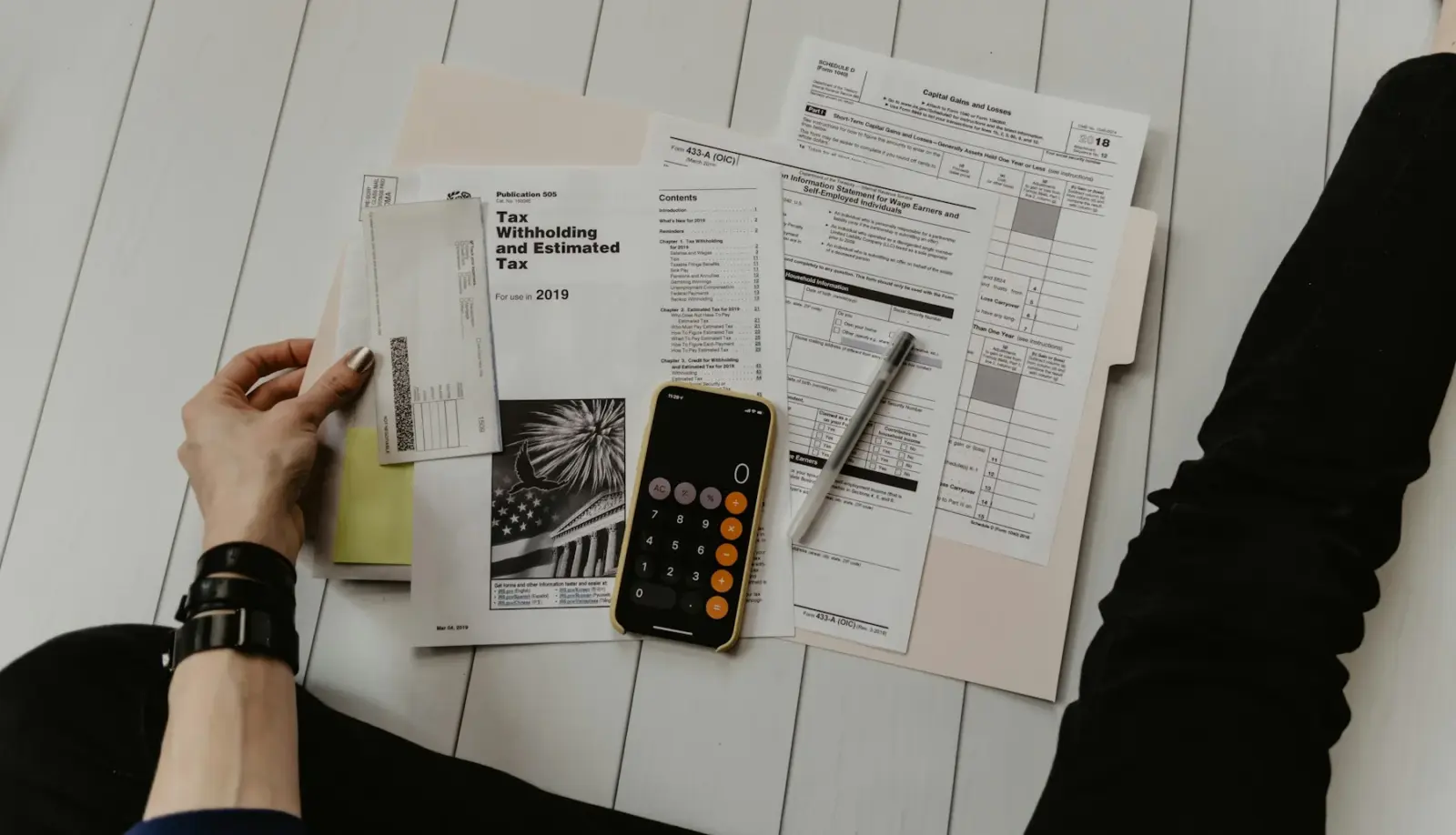
A reservation a guest finds and books independently through your website can avoid the marketplace fee for that stay. I’d build that path for referrals, repeat guests you can appropriately contact, or people who discover your property through your own marketing. Follow Airbnb’s rules for reservations and contacts originating there.
Start with these three points
- Airbnb’s current general host guidance describes a single host-paid fee for home stays.
- Airbnb generally publishes a 15.5% host service fee, with exceptions. Check your actual transaction.
- Verify the actual fee on your own transaction because Airbnb states that fees can vary.
Illustrative stay. On a $1,000 fee base, a 15.5% host fee is $155. At an illustrative 3% payment cost, a $1,000 direct charge costs $30 in processing. The $125 difference is before website, reservation tools, acquisition, and any operating changes. Use your actual values in the fee calculator on the live page.
Airbnb host fees at a glance
Airbnb’s current fee guidance says home hosts are transitioning to the single-fee structure and that, after a switch, the new structure applies to new bookings. That matters when a payout report covers stays booked on both sides of a switch.
Record the booking date, room and host charges, host service fee, and payout. Compare reservations with the same fee basis instead of averaging old and new bookings. Check your actual statement and account terms before changing rates.
Last verified July 23, 2026. Airbnb’s current help documentation describes two service-fee structures for home stays. Under the split-fee structure, most hosts pay 3%, while the guest pays a separate fee that Airbnb currently lists as generally ranging from 14.1% to 16.5% of the booking subtotal. Under the single-fee structure, the entire service fee is deducted from the host payout; Airbnb says most hosts pay 15.5%, with remaining hosts typically paying 14%–16%.
| Structure | Typical host fee | Guest fee | Who commonly uses it |
|---|---|---|---|
| Split fee | Most hosts: 3% | Usually 14.1%–16.5% | Eligible hosts not required to use single fee |
| Single fee | Most hosts: 15.5%; typically 14%–16% | No separate guest service fee shown | Certain traditional hospitality listings, software-connected hosts, and hosts in specified countries |
Airbnb notes country-specific variations, possible VAT, cross-currency effects, and the right to change fees. Treat the percentages above as a current guide, not a substitute for the amount displayed in your own earnings dashboard.
How the fee changes a host payout
Fee percentages become meaningful when translated into a completed reservation. Suppose the booking subtotal used for the service-fee calculation is $2,000. A 3% host fee would be $60. A 15.5% host fee would be $310. That difference does not automatically mean the host is worse off under every single-fee booking: the visible guest price, the host’s rate adjustment, conversion, taxes, processing arrangements, and channel mix all affect the final economics.
| Example fee | Fee amount | Subtotal after fee |
|---|---|---|
| 3% | $60 | $1,940 |
| 14% | $280 | $1,720 |
| 15.5% | $310 | $1,690 |
| 16% | $320 | $1,680 |
These examples exclude taxes, refunds, payouts, currency differences, software costs, and other charges. Use Airbnb’s transaction detail as the source of truth for an actual reservation.
How to find the fee Airbnb charged you
Airbnb’s current desktop instructions direct hosts to the Earnings area, where a host can open an upcoming or paid transaction and review the Airbnb service fee. Build a monthly channel report from completed transactions rather than estimating from memory.
- Export or record completed Airbnb reservation revenue.
- Record the service fee shown for each transaction.
- Separate taxes, refunds, cleaning charges, and other accounting categories.
- Calculate net revenue after channel costs.
- Compare the result with direct, Vrbo, referral, and repeat-guest channels using the same method.
A fair comparison includes payment processing, website software, marketing, labor, insurance, chargeback exposure, and guest support—not only the headline commission.
Can hosts avoid Airbnb fees?
A host should not use Airbnb to acquire a traveler and then redirect that traveler outside the platform to avoid the service fee. Airbnb’s current off-platform policy prohibits covered attempts to move current, future, or repeat bookings off Airbnb, request pre-booking contact information, or require off-platform payment in prohibited circumstances.
Independent demand can come from branded search, a destination guide, a referral, an opted-in email audience, social discovery, local partnerships, Google Vacation Rentals through an eligible connection, or a past direct guest. Review the latest terms for every marketplace and obtain appropriate professional advice for your business.
Seven ways to reduce fee dependence
- Create a memorable property brand. A distinct name gives travelers something to search and share.
- Build a credible direct-booking website. Show live availability, total pricing, policies, reviews, contact details, and secure payment.
- Publish useful destination content. Answer real planning questions the property is qualified to answer.
- Earn permission-based repeat demand. Collect marketing consent correctly and send useful messages.
- Make referrals effortless. Give guests a memorable domain and a consistent property name.
- Diversify distribution. Use channels for their strengths instead of depending on one source.
- Measure net revenue. Track the complete acquisition and operating cost for every channel.
A 30-day host-fee audit
Week 1: establish the baseline
Review twelve months of completed reservations and calculate fees by channel. Do not mix gross booking value with payout.
Week 2: audit independent demand
Search the property name, inspect the website on mobile, test checkout, and confirm analytics events.
Week 3: fix the conversion path
Clarify total pricing, policies, availability, ownership, contact information, and payment security.
Week 4: launch one owned-demand initiative
Publish a destination guide, implement an eligible repeat-guest campaign, improve a referral touchpoint, or evaluate Google Vacation Rentals connectivity.
Official sources and update policy
This article prioritizes current primary sources. Review Airbnb’s service-fee documentation and Airbnb’s off-platform policy before making a decision. Direct Stay Solutions should recheck the article whenever Airbnb announces a pricing change and at least quarterly while the topic remains commercially important.
Estimate annual marketplace-fee exposure
Use completed marketplace revenue and the fee percentage displayed in your account. This is an estimate—not a savings promise.
Turn the marketplace fee question into a real comparison
- Same reservation. Choose fixed dates and party size on both channels.
- Compare. Record the marketplace quote and compare actual direct software and processing costs.
- Decide. Evaluate what the owner keeps and what the guest pays as two figures.
Related guide: The Real Cost of Running a Direct Booking Website.
Build a direct option and compare the fees on the same stay
I’d build and connect a direct booking path for guests you reach independently. Direct Stay doesn’t charge a booking commission, while payment and third-party software fees may still apply.
- Direct booking. We connect a compatible calendar, booking engine, or inquiry flow and check the handoff. Third-party software and payment processing may cost extra. Explore compatible booking tools.
- Custom website and a recognizable brand. We use your property’s photos and story to build mobile-friendly pages that show guests what they’d be booking.
- Search visibility. We organize the pages around what guests look for and set up the technical SEO. The managed plan includes a monthly search review.
- Plan options. Custom builds start at $500 one time. Managed Website is $59/month with $0 down at the founding-client rate. Compare scope, pricing, and ownership terms.
Frequently asked questions
How much does Airbnb charge hosts in 2026?
Airbnb’s general guidance describes a 15.5% host fee, with exceptions. Check the service fee shown in your own transaction.
Does every Airbnb host pay 15.5%?
No. Check the fee for your listing and booking. Airbnb’s published general host rate has exceptions.
Can I ask an Airbnb guest to pay me directly?
Do not redirect a traveler who found the property through Airbnb when doing so would violate Airbnb’s off-platform policy. Review the current terms for the exact situation.
Are direct bookings free?
No. Direct reservations can involve payment processing, software, website, marketing, insurance, tax, support, and chargeback costs.
Should I leave Airbnb because of its fees?
Not necessarily. Many owners use Airbnb as one distribution channel while building independent demand and measuring net revenue across a diversified mix.
Meet Dane, founder of Direct Stay Solutions

Send me the fees from a settled Airbnb reservation and your booking setup. I’ll show how a guest who finds you independently could move from your own site to a direct quote.